Decoding Second-Home Insurance: What You Need to Know
7 June 2026
Owning a second home is an exciting milestone, whether it's a cozy cabin in the woods, a beachfront retreat, or a city escape. But with that dream property comes responsibility—like making sure it's properly insured. Second-home insurance isn't the same as your primary homeowner’s policy, and if you don’t understand the intricacies, you might end up underinsured or paying for coverage you don’t need.
So, what exactly is second-home insurance, why is it important, and how can you ensure you're getting the best policy? Let’s break it all down. 
What Is Second-Home Insurance?
Second-home insurance is a policy designed to protect properties that are not your primary residence. Since second homes are often used seasonally or rented out, they present unique risks.Standard homeowners insurance typically doesn’t extend full coverage to secondary residences because insurers view them as riskier. Why? Well, a vacant home is more vulnerable to break-ins, vandalism, and undetected damage like water leaks or electrical issues. If you're renting it out, liability concerns also come into play.
Essentially, second-home insurance is customized to address these extra risks while ensuring your investment stays protected. 
Why You Need a Separate Policy for a Second Home
You might be wondering: “Can’t I just extend my primary homeowner's policy to cover my second home?” Unfortunately, it’s not that simple. Here’s why a separate policy matters:1. Different Risk Factors
Your vacation home isn’t occupied as often as your main residence, which increases the risk of incidents. A burst pipe in an unattended home can cause extensive damage before anyone notices. Similarly, seasonal locations (like beach houses or mountain cabins) often face environmental hazards like hurricanes, floods, or wildfires.2. Liability Considerations
If you frequently have guests or rent out your second home, liability risks rise. Someone slipping on an icy walkway or getting injured in a rental property can lead to costly lawsuits. Your policy should include personal liability coverage to protect against those situations.3. Mortgage Lender Requirements
If you're financing your second home, your lender will likely require proper insurance coverage. Some lenders are strict about the type of policy you carry, and failing to meet their requirements could put your mortgage at risk.
Key Coverages to Look for in a Second-Home Insurance Policy
Not all second-home insurance policies are created equal. Here are the must-have coverages to look for:1. Dwelling Coverage
This protects the structure of your home from damage caused by covered perils like fire, windstorms, and vandalism. Make sure your policy covers the full cost of rebuilding if the worst happens.2. Personal Property Coverage
Your second home is likely furnished, and those belongings need protection. Whether it’s furniture, electronics, or appliances, this coverage ensures you're financially safeguarded if your belongings are damaged or stolen.3. Liability Protection
If someone is injured on your property, liability coverage helps cover medical expenses and legal fees. This is essential, especially if you rent out your second home.4. Loss of Use Coverage
What if a covered disaster makes your second home unlivable? Loss of use coverage provides reimbursement for temporary housing or lost rental income while repairs are being made.5. Natural Disaster Protection
Depending on your home's location, additional coverage for floods, earthquakes, and hurricanes may be necessary. Standard policies don’t always cover these perils, so consider adding supplemental insurance.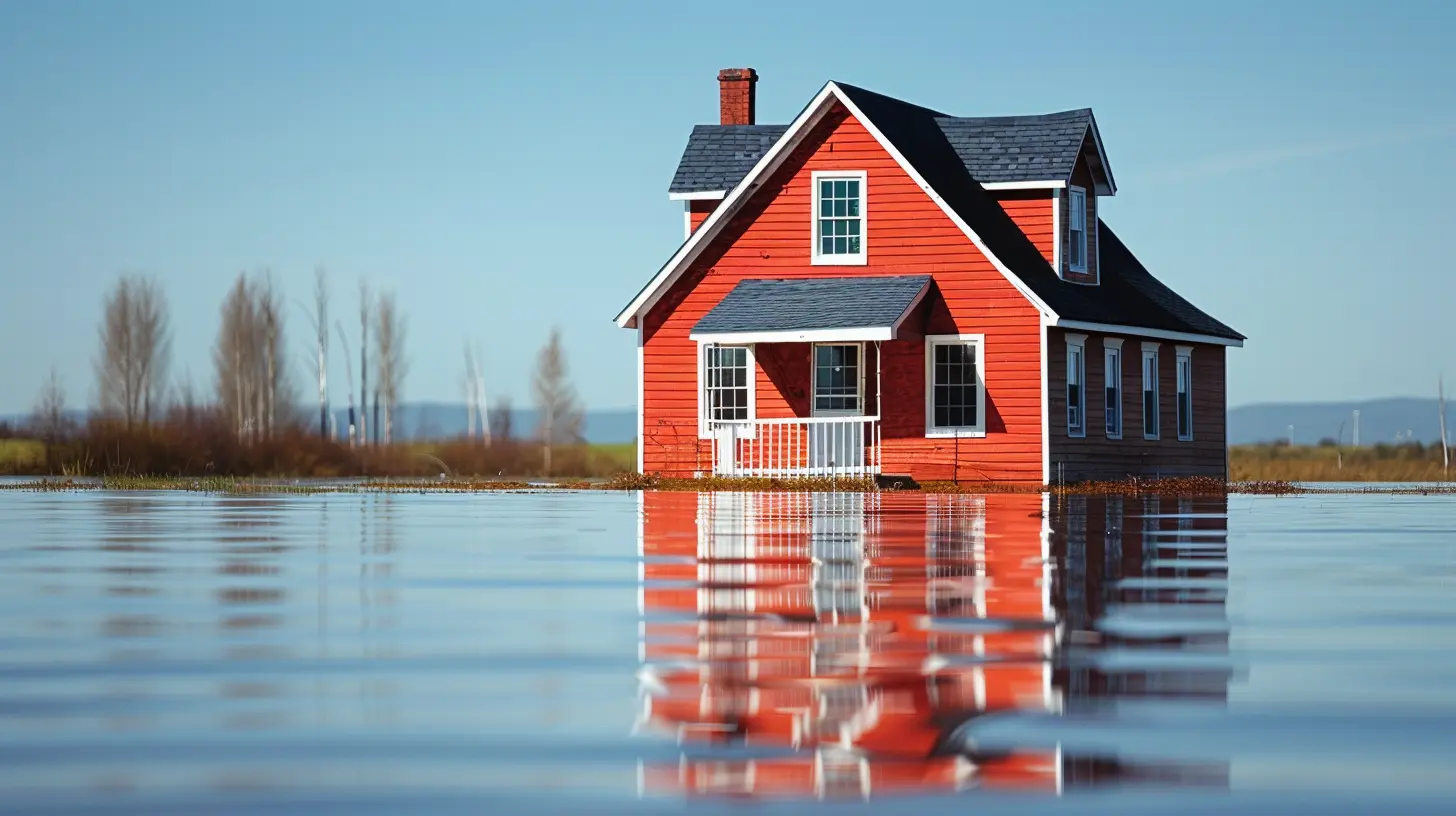
Factors That Affect Second-Home Insurance Costs
Insurance is never one-size-fits-all. Several factors influence the cost of insuring your second home:1. Location, Location, Location
A beachfront villa might sound like paradise, but coastal properties typically come with higher insurance costs due to hurricane risks. Similarly, homes in wildfire-prone areas or flood zones may require additional coverage.2. Frequency of Occupancy
A home that sits empty for long periods is riskier than one that’s regularly occupied. Insurance companies may charge higher premiums for properties that are vacant for months at a time.3. Security Measures
Investing in security features like alarm systems, surveillance cameras, and smart locks can lower your insurance premiums. The safer your home, the lower the risk for an insurance company.4. Rental vs. Personal Use
If you plan to rent out your second home, your insurance needs will be different. You may need a landlord or vacation rental policy that covers potential tenant-related damages and liability claims.How to Save Money on Second-Home Insurance
While second-home insurance can be expensive, here are some ways to keep costs in check:1. Bundle Your Policies
Many insurers offer discounts if you bundle your second-home insurance with your existing homeowners, auto, or umbrella policies.2. Increase Your Deductible
Opting for a higher deductible can lower your premiums. Just be sure you have enough savings to cover it in case of a claim.3. Improve Security and Maintenance
Adding security systems, leak detectors, and fire alarms can reduce your insurance costs. Regular maintenance also minimizes the risk of major damages.4. Consider a Seasonal or Part-Time Resident Policy
If you only use your second home for a few months each year, ask about part-time or seasonal coverage options tailored to your specific usage.Vacation Rental Insurance: Do You Need It?
If you're planning to rent out your second home—whether full-time or occasionally through platforms like Airbnb—you’ll need additional coverage. Standard second-home insurance doesn’t typically cover short-term rentals.What Does Vacation Rental Insurance Cover?
- Property Damage – Covers damage caused by renters.- Liability Coverage – Protects you if a guest is injured during their stay.
- Loss of Income – Helps cover lost rental revenue if your home is damaged and temporarily uninhabitable.
Some insurance providers offer specialized short-term rental policies, so make sure you're adequately protected before listing your home.
Final Thoughts: Protect Your Investment
Owning a second home is a rewarding experience, but it comes with its fair share of responsibilities. The right insurance policy ensures your investment is covered, whether you're using the home for personal retreats or as a rental property.Before purchasing a policy, compare coverage options, assess your risks, and talk to an insurance expert to tailor coverage to your needs. The last thing you want is to realize too late that you’re underinsured.
If you treat your second home like the valuable asset it is, securing proper insurance won’t just be an expense—it’ll be peace of mind.
all images in this post were generated using AI tools
Category:
Second HomesAuthor:

Camila King
Discussion
rate this article
1 comments
Carly McTavish
Second-home insurance can be tricky. Be sure to understand your coverage needs, especially with seasonal rentals. Research options and ask questions before committing.
June 15, 2026 at 3:45 AM
Camila King
Great advice! Understanding your coverage is crucial for second homes, especially with rentals. Always ask questions to clarify your needs.