Closing Costs in a Hot Market: What You Need to Know
20 July 2026
When the real estate market is on fire, buyers and sellers are caught up in the frenzy. Prices soar, bidding wars are the norm, and properties fly off the market. But while everyone focuses on the purchase price, closing costs often get overlooked. And trust me, they can be a real budget buster if you're not prepared.
So, what exactly are closing costs? How do they change in a hot market? And more importantly, how can you manage them effectively? Let's break it all down.
What Are Closing Costs?
Closing costs are the fees and expenses you pay when finalizing a real estate transaction. They’re separate from the purchase price of the home and can include lender fees, title insurance, appraisal costs, taxes, and more.Both buyers and sellers have their share of closing costs, though buyers typically foot the larger bill. These costs usually range from 2% to 5% of the home's purchase price, but in a hot market, they can fluctuate significantly. 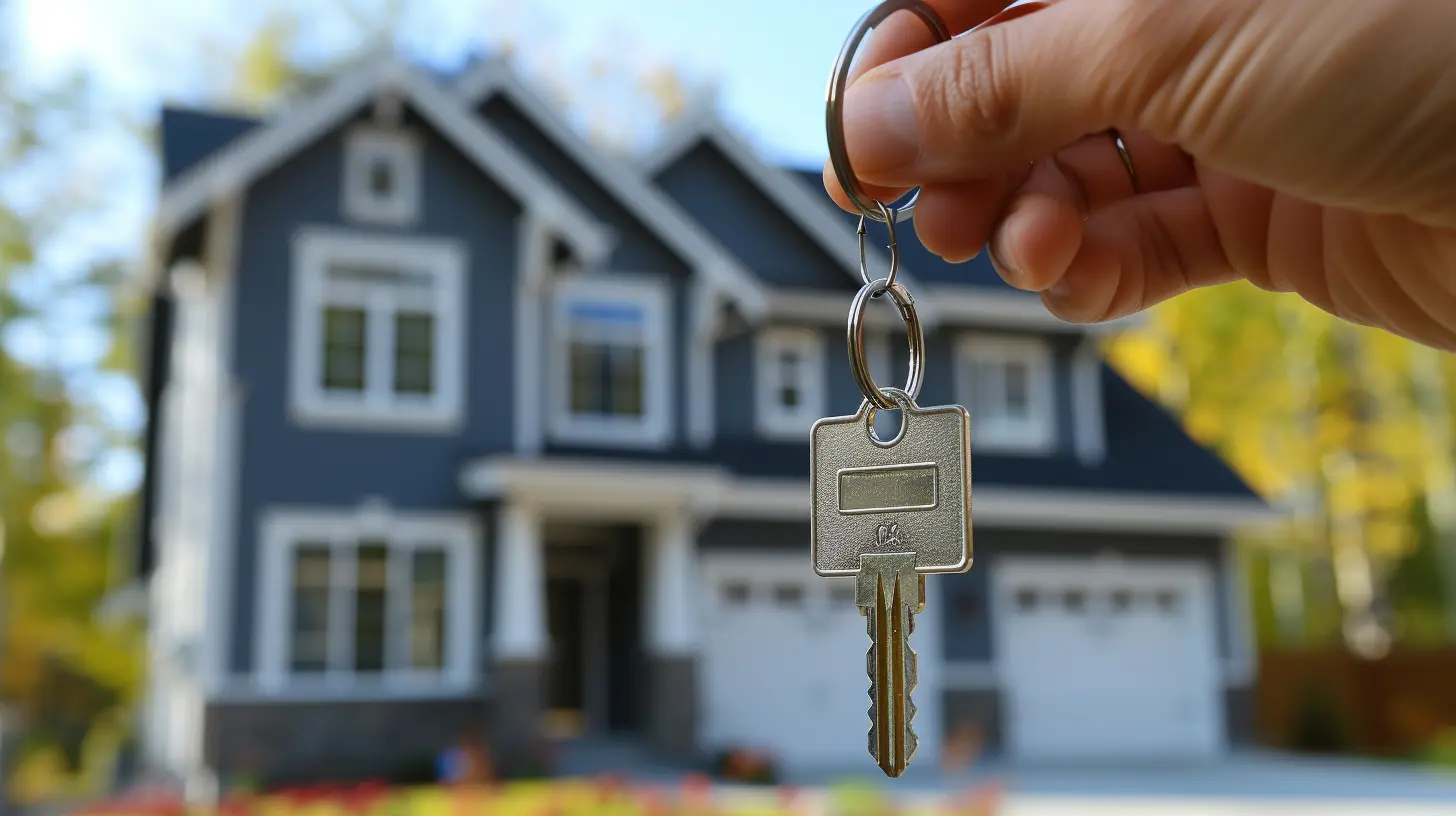
Why Do Closing Costs Increase in a Hot Market?
A competitive real estate market doesn't just drive up home prices—it also affects closing costs. Here's why:1. Higher Property Prices Mean Higher Fees
Many closing costs are calculated as a percentage of the home's price. When property values rise, so do costs like:- Lender fees (origination fees, points, etc.)
- Title insurance (which varies based on the home price)
- Property taxes (calculated as a percentage of the purchase price)
2. Less Room for Negotiation
In a cooler market, buyers can often negotiate with the seller to cover some of the closing costs. But in a red-hot market, sellers hold all the power. If you ask them to cover fees, they'll likely pass on your offer in favor of someone else who won’t.3. Increased Demand for Services
With high demand for homes, lenders, title companies, and appraisers are busier than ever. This can lead to expedited service fees, higher appraisal fees, and even increased legal costs if additional documentation is required.4. Rising Interest Rates & Points
In a competitive market, many buyers choose to "buy down" their mortgage interest rate by paying points upfront. While this can save money over time, it increases initial closing costs.
Typical Closing Costs for Buyers
If you're buying a home, here’s what you should be prepared to pay at closing:1. Loan Origination Fees
Lenders charge fees to process your mortgage, typically around 0.5% – 1% of the loan amount.2. Appraisal & Inspection Fees
- Appraisal Fee: Lenders require a home appraisal to determine its market value. These range from $300 – $600.- Home Inspection: Not always required, but highly recommended. Expect to pay $300 – $500.
3. Title Insurance & Title Search
- Title Search: Ensures the property has no outstanding claims or legal issues. Around $200 – $400.- Title Insurance: Protects against future ownership disputes. Costs vary but typically $1,000 – $3,000.
4. Escrow & Prepaid Costs
- Property Taxes: Lenders often require buyers to prepay 3-6 months of property taxes.- Homeowners Insurance: Often required upfront, typically $500 – $2,000 per year.
5. Discount Points (If Applicable)
If you want to lower your mortgage rate, you might buy discount points, which cost 1% of the loan amount per point.
Typical Closing Costs for Sellers
Sellers also have their share of closing expenses. Here’s what they typically pay:1. Real Estate Agent Commissions
This is usually the biggest cost for sellers, averaging 5% – 6% of the sale price, split between the buyer’s and seller’s agents.2. Title Fees
While buyers pay for title insurance to protect their lender, sellers often cover the owner’s title insurance policy, which can be a significant expense.3. Transfer Taxes & Recording Fees
Some states and local governments require sellers to pay real estate transfer taxes, often 0.5% – 2% of the sale price.4. Home Warranty (Optional but Common)
Some sellers offer a home warranty plan to entice buyers, which can cost $500 – $1,500.5. Mortgage Payoff & Prepayment Penalties
If you still owe money on your mortgage, you’ll need to pay it off at closing. Some loans also carry prepayment penalties for paying off the mortgage early—check with your lender.How to Reduce Closing Costs in a Hot Market
With home prices and closing costs climbing, here’s how to keep your expenses in check:1. Shop Around for Lenders
Lender fees can vary greatly. Get quotes from multiple mortgage lenders to find the best deal on origination fees, interest rates, and closing costs.2. Ask About Lender Credits
Some lenders offer credits in exchange for slightly higher interest rates. This can help reduce your upfront closing costs if you're short on cash.3. Close at the End of the Month
Closing near the end of the month can lower prepaid interest costs, saving you some cash at closing.4. Negotiate Fees
While sellers may not be willing to cover closing costs, some service providers (title companies, attorneys, etc.) might be open to negotiation. Always ask!5. Use a No-Closing-Cost Mortgage (Cautiously)
Some lenders offer no-closing-cost loans where they roll the fees into the loan balance. This can be helpful if you’re tight on cash but increases your long-term loan costs.Are Closing Costs Worth It?
Nobody loves paying closing costs, but they’re a necessary part of buying or selling a home. They ensure the transaction is handled legally, protect you from potential title disputes, and secure financing.However, in a hot market, it’s easy to get caught off guard by the added expenses. That’s why planning ahead and budgeting properly is crucial.
If you're a buyer, expect to pay 2% – 5% of the home price in closing costs. If you're a seller, set aside 6% – 10% for commissions and other fees.
By understanding what to expect and exploring ways to cut costs, you can navigate the closing process with confidence—even in a sizzling market.
Final Thoughts
Buying or selling a home in a hot market is exciting, but the hidden costs can sneak up on you. Closing costs aren’t just a small detail—they’re a significant financial factor that can impact your bottom line.The best approach? Be prepared. Factor these expenses into your budget early, shop around for the best rates, and, if possible, negotiate where you can.
At the end of the day, understanding closing costs can mean the difference between a smooth, stress-free closing and an unexpected financial headache. And in a fast-paced market, the last thing you want is a nasty surprise at the closing table.
all images in this post were generated using AI tools
Category:
Closing CostsAuthor:

Camila King
Discussion
rate this article
1 comments
Renee McCune
Great insights on closing costs. In a competitive market, knowing these expenses upfront can truly make a difference. It can be overwhelming, but understanding every detail helps buyers navigate their journey with confidence. Thanks for shedding light on this important topic!
July 20, 2026 at 7:19 PM