Choosing the Perfect Lake House for Your Second Home
6 December 2025
Owning a lake house as your second home isn't just about having a stunning view—it’s about investing in a lifestyle. Imagine waking up to the sound of gentle waves lapping against the shore, sipping your morning coffee on a spacious deck with a breathtaking sunrise, and ending the day with a peaceful sunset paddle. Sounds dreamy, right?
But before you jump into lakefront living, there’s a lot to consider. From location and property type to maintenance and financial implications, choosing the perfect lake house requires careful thought. In this guide, we’ll walk you through everything you need to know before making this exciting purchase. 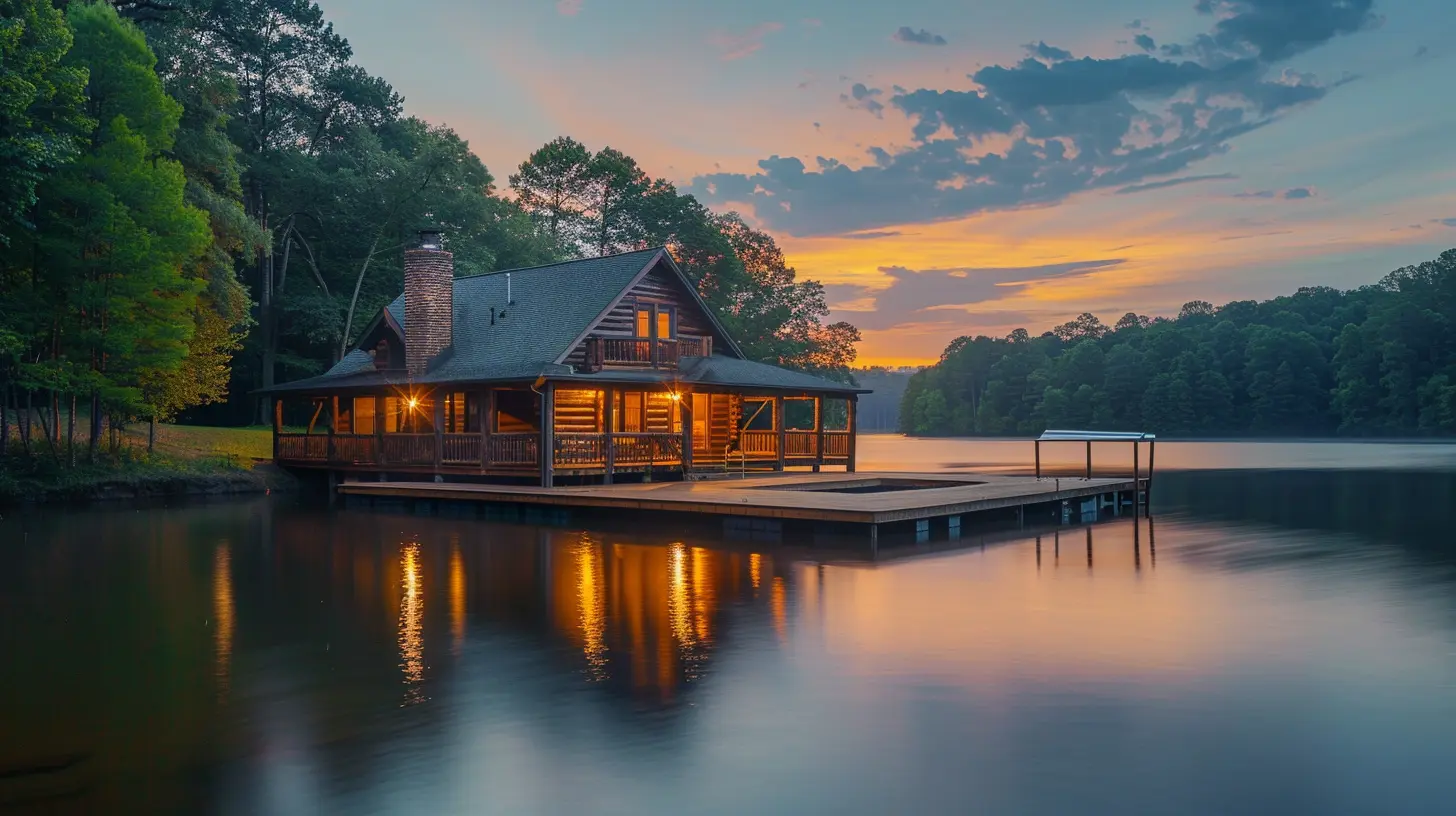
1. Why a Lake House? The Perks of a Waterfront Retreat
Buying a second home on the lake offers more than just a getaway. It’s an opportunity to:- Escape the Hustle and Bustle – A lake house is the perfect retreat from noisy city life.
- Enjoy Outdoor Activities – Fishing, boating, kayaking, and swimming are right in your backyard.
- Create Lasting Memories – It’s a place for family gatherings, summer vacations, and cherished moments.
- Potential for Rental Income – A well-located lake house can generate extra cash when you’re not using it.
- Long-Term Investment – Waterfront properties tend to appreciate in value over time.
Sounds good? Let’s dive into the key factors to keep in mind when buying the perfect lake house. 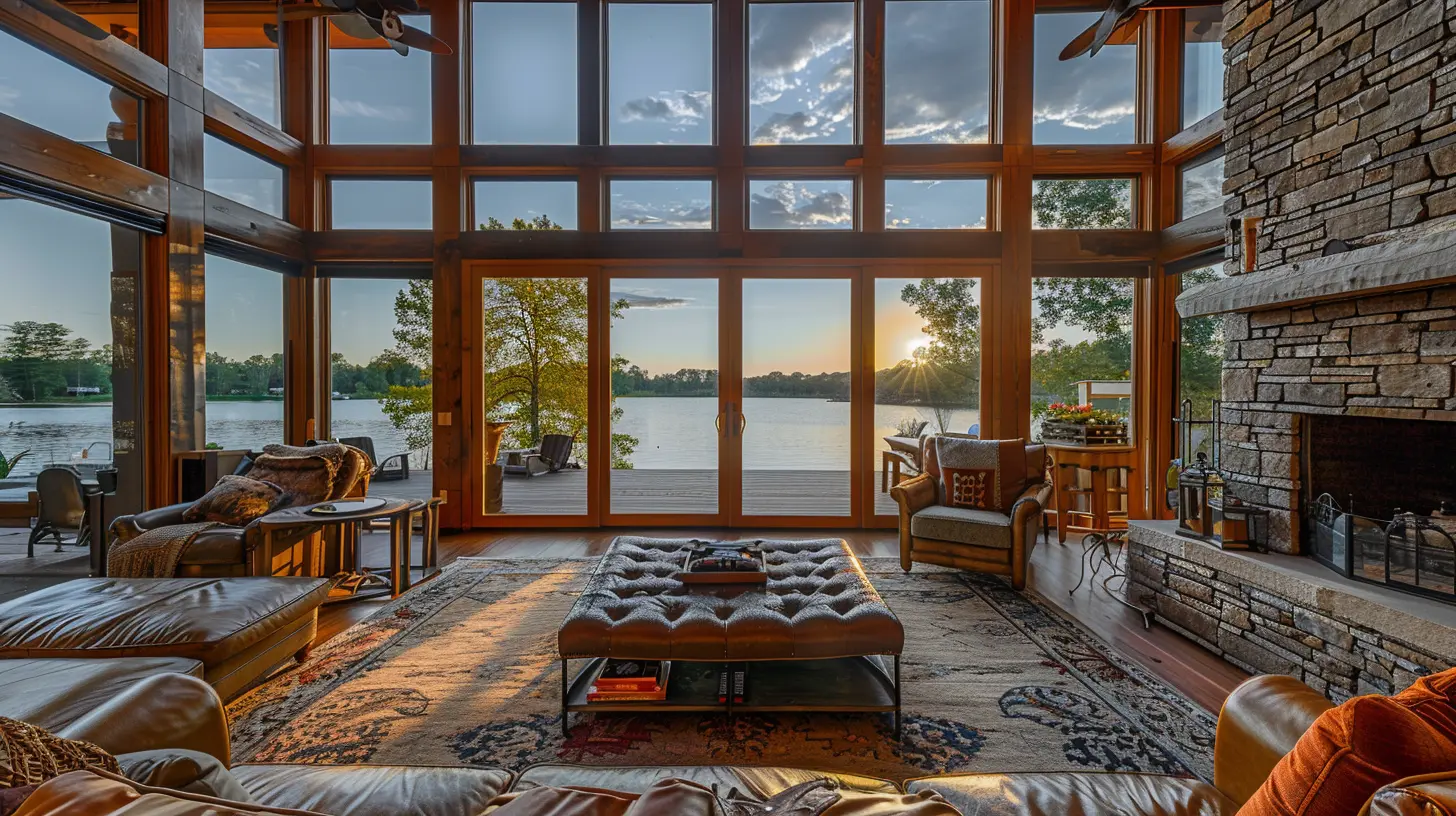
2. Choosing the Right Location
Your dream lake house is only as good as its location. Sure, a picture-perfect lakefront sounds appealing, but there are hidden factors to consider.Proximity to Home
How often will you visit? If this is a weekend getaway, you don’t want to spend half your trip driving. Ideally, aim for something within a 2-3 hour drive.Climate and Weather Conditions
Different regions have different climates. A northern lake house might offer scenic snowy winters, while a southern one might provide year-round warm weather. Consider what fits your lifestyle best.Lake Type: Recreational or Quiet Retreat?
Some lakes are bustling with motorboats, watersports, and tourists, while others offer a peaceful, undisturbed environment. Do you prefer an active lake with energy or a quiet escape for fishing and relaxation?Nearby Amenities
Is there a grocery store nearby? How about a hospital, restaurants, or entertainment options? The location should balance tranquility with accessibility to essentials.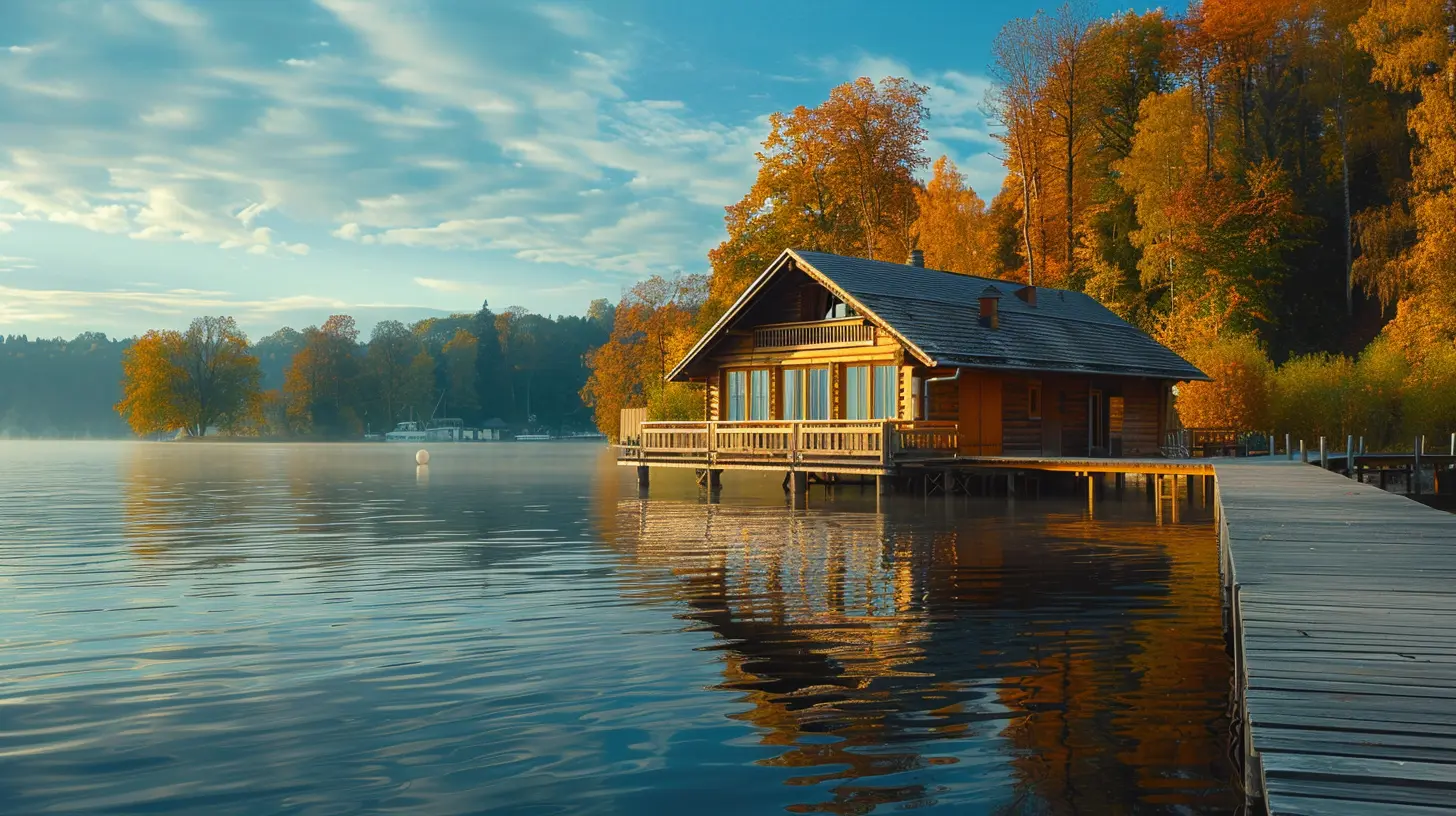
3. Understanding the Lake Itself
Not all lakes are the same. The characteristics of the lake itself can make or break your lake house experience.Water Quality and Depth
Check the water clarity, depth, and cleanliness. Some lakes experience seasonal algae blooms, which can affect swimming, fishing, and even the property's value.Lake Level Fluctuations
Does the lake experience drastic changes in water levels? Some reservoirs may drop significantly during dry seasons, leaving a once-waterfront home sitting far from the shore.Boat and Dock Regulations
Are motorboats allowed? Are there restrictions on dock construction? Some lakes have strict regulations, so ensure your recreational plans align with them.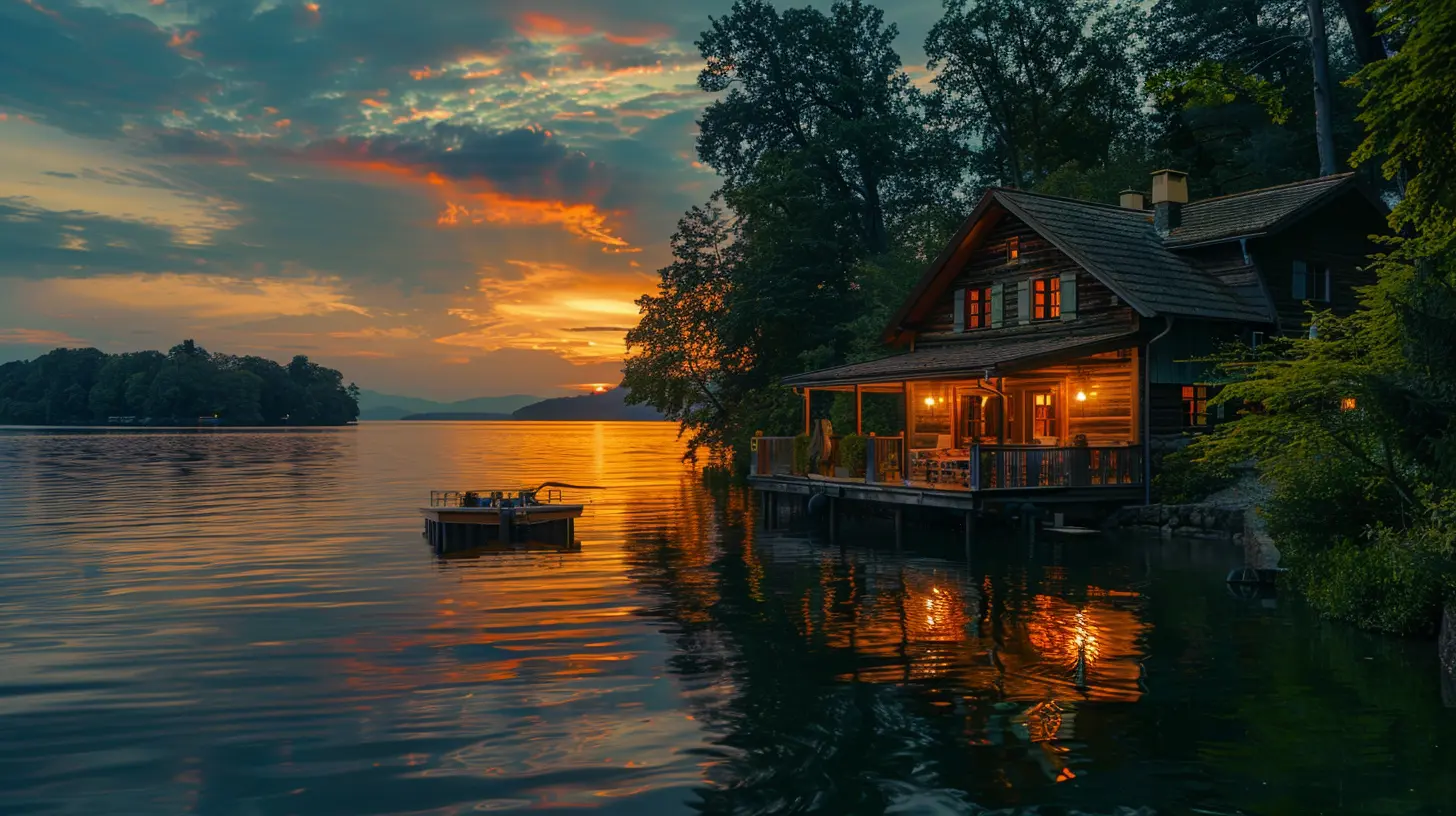
4. Picking the Right Property
Beyond the lake itself, the house you choose plays a crucial role in your experience.The Home's Orientation
Which direction does the house face? A west-facing property offers stunning sunsets, while an east-facing one provides beautiful sunrises. Think about what moments matter most to you.Waterfront Access
Is there an easy path to the water? A flat yard leading to the shoreline is ideal, while steep slopes may be less convenient.Shoreline Type
Would you prefer a sandy beach, rocky shoreline, or a grassy landing? Some properties have private beaches, while others may have reeds and marshy waterfronts.Home Condition and Maintenance
Lake houses endure more weather exposure, which means roofing, siding, and foundations should all be inspected carefully. Look for signs of water damage, mold, or erosion.5. Maintenance and Upkeep
A lake house requires more upkeep than a standard home. Here’s what to think about:Water Damage Prevention
Being close to water means higher humidity levels, which can lead to mold and foundation issues. Make sure the house has proper drainage, a dehumidifier, and good insulation.Pest Control
Lakeside properties often attract mosquitoes, rodents, and even larger wildlife like raccoons. Proper pest control and screening systems can help manage this.Winterization
If you don’t plan on visiting during winter, you’ll need to winterize the home. This includes draining pipes, shutting down utilities, and securing any outdoor features.Dock and Boat Maintenance
If you own a dock or boat, be prepared for seasonal maintenance. Wooden docks require sealing, and boats need proper storage during off-seasons.6. Financing a Lake House
Lakefront homes often come with premium price tags. How will you finance your dream getaway?Mortgage Considerations
Second-home mortgages often have stricter requirements than primary home loans. Expect higher interest rates and larger down payments.Property Taxes and Insurance
Lakefront properties usually come with higher property taxes and insurance costs due to their desirable location and exposure to floods or storms.HOA or Lake Association Fees
Some lakes have homeowner associations that charge annual fees for maintenance, security, or amenities. Check if there are any additional costs.Rental Income Potential
If you plan to rent out the home, research local short-term rental laws. Some areas restrict Airbnb and vacation rentals, while others embrace them.7. The Legal Side of Things
Before signing your offer letter, iron out these legal details.Zoning Laws and Restrictions
Some lakefront properties have strict zoning laws concerning renovations, expansions, or short-term rentals.Easements and Access Rights
Does the lake house have private access, or is it shared with other homeowners? Some properties have shared docks or easements that allow public access.Flood Zones and Insurance
Waterfront homes are at higher risk for flooding. Check FEMA flood maps and ensure you have adequate insurance coverage.8. Making the Final Decision
Before you take the plunge, ask yourself:✅ Does this property fit my lifestyle and future plans?
✅ Can I afford not just the home, but the ongoing maintenance and taxes?
✅ Am I comfortable with the lake’s rules and environmental conditions?
If everything checks out, then congratulations! You’re on your way to making countless memories at your perfect lake house.
Final Thoughts
Choosing the perfect lake house isn’t just about square footage or modern amenities—it’s about finding a place that brings joy, relaxation, and connection with nature. Whether you’re after summer adventures or peaceful lakefront mornings with a cup of coffee, your second home should reflect your lifestyle and what truly makes you happy.Take your time, do your research, and most importantly, envision yourself living there. If the excitement outweighs the doubts, you just might have found your dream lake house.
all images in this post were generated using AI tools
Category:
Second HomesAuthor:

Camila King
Discussion
rate this article
2 comments
Judith McLanahan
When selecting the ideal lake house, prioritize location, accessibility, and amenities. Consider seasonal weather impacts, local community vibe, and potential rental income. Evaluate the property’s condition and long-term value, ensuring it aligns with your lifestyle and investment goals for a rewarding second home experience.
December 15, 2025 at 12:24 PM
Camila King
Great points! Prioritizing location, accessibility, and amenities really can make all the difference in finding the perfect lake house for your second home.
Paige Snyder
Find a lake house that fits your lifestyle perfectly!
December 14, 2025 at 1:18 PM
Camila King
Absolutely! Consider your activities, desired amenities, and location to ensure it aligns with your lifestyle. Happy house hunting!