Buying a Second Home Abroad: What You Need to Know
13 May 2026
So, you’ve been dreaming about that cozy cabin in the Swiss Alps, a beachside villa in Spain, or maybe a countryside retreat in Tuscany? You're not alone. Buying a second home abroad isn't just for the rich and famous anymore—it's becoming a real possibility for savvy, adventurous homeowners just like you.
But before you start packing your bags and browsing foreign property listings late at night, let’s slow down a bit. Purchasing real estate overseas is not quite the same as buying your second home a few hours down the freeway. It’s exciting, no doubt, but it comes with its own set of unique challenges, paperwork, red tape, and hidden costs.
Let’s dive into everything you need to know before you sign on that dotted line for your slice of international paradise.
Why Buy a Second Home Abroad in the First Place?
First things first—what’s pulling you toward buying a second home in another country?- Vacation getaway: Who doesn’t want their own retreat where they can unwind and recharge without paying hotel rates?
- Rental income: A second home can pay for itself if it's in a tourist hotspot.
- Retirement planning: Many see it as a long-term move—use it as a vacation home now and a retirement haven later.
- Investment diversification: Real estate markets can vary globally. Having assets in different countries can reduce risks.
- Cultural love affair: Sometimes, you just fall in love with a place and want to put down more permanent roots.
Can you relate to one (or more) of these? If yes, you’re probably ready to explore the idea further.
Choosing the Right Location: It’s More Than Just Pretty Views
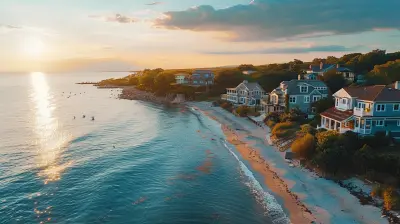
Sure, sunsets over the ocean are stunning, but there’s more to choosing your second-home destination than just the visuals. Think practical.Consider Your Lifestyle
Ask yourself these questions:- Do you prefer mountains or the sea?
- Do you want a quiet village or a bustling city?
- How often will you be visiting?
- What kind of weather do you like?
If you're beach-loving and hate the cold, that charming snowy chalet in Austria might lose its luster real quick.
Accessibility Matters
Is the location easy to reach? Are there direct flights from your home country? How’s the local transportation network?Trust me, nothing kills the joy of a vacation like a 4-hour layover followed by a 3-hour bus ride just to get to your home.
Understand the Legal Side: Not All Countries Welcome Foreign Buyers Equally
Before you fall head over heels for a home abroad, do some homework on the legalities.Can You Even Own Property There?
Some countries have restrictions on foreigners owning land or property, especially in border areas or specific regions. For instance, in Thailand, foreign ownership is limited to condos (under certain conditions), while land ownership is a no-go.Property Ownership Laws
Each country has its own structure—freehold, leasehold, co-ownership—and they don’t always mean what you think they do. What’s “freehold” in one country might come with weird catches in another.Hire a local real estate attorney. Seriously. This is non-negotiable. They’ll help navigate contracts, title checks, and ensure you’re not being scammed or breaking the law unknowingly.
Finances: Budgeting Beyond the Purchase Price
Let’s talk money. The cost of the home is just the start. There’s more lurking beneath the surface.Hidden Costs You Should Expect
- Legal fees- Property taxes
- Real estate agent commissions
- Maintenance and repair costs
- Insurance (different from your home country’s policies)
- Currency exchange fees
- Management fees (if you’re renting it out or need someone to maintain it)
- Mortgage costs (if applicable)
Also, factor in travel expenses! You’ll need to visit the home from time to time, especially in the beginning stages.
Currency Fluctuations: The Sneaky Wallet Killer
Buying a home in a country with a volatile currency? Be prepared. The exchange rate can make your investment costlier (or cheaper) overnight. It’s like playing the stock market, only with your dream home.You can look into currency exchange services and even forward contracts to lock in rates. Don’t leave this to chance.
Financing Your Purchase: Cash or Mortgage?
Foreign mortgages are a thing—just not always simple.Local Mortgages
Some banks in the country where you’re buying may offer mortgages to foreigners, but the terms might not be as favorable as back home. Plus, you’ll probably need to make a larger down payment.Home Equity Loans
Some buyers pull equity from their primary residence to make the second home purchase in full. This works well if you have lots of built-up equity and want to avoid international lending complications.Run the numbers, talk to a financial advisor, and make sure you’re not overextending yourself.
Taxes: Don’t Let the Taxman Surprise You
Oh, taxes. Everyone's favorite topic, right?Property Taxes Abroad
Every country has its own take on property taxes, and in many cases, they’re higher for foreign investors. Know what you’re getting into.Double Taxation
You might owe taxes in the country where you own the property and in your home country. Yikes. Look into double taxation treaties between the two countries—it could save you a lot of money and headaches.Rental Income Tax
Planning to rent it out? That rental income might be taxable both locally and at home. Work with a tax advisor experienced in international property ownership.Renting It Out: Turn Your Vacation Home Into a Cash Cow
Want your home to work for you when you’re not using it?Know the Local Laws
Some countries or cities have restrictions on short-term rentals or Airbnb-style listings. Fines can be brutal if you break the rules.Property Management
Unless you plan to fly across the planet every time a toilet breaks, you’ll need a local property manager. They can handle everything from maintenance to bookings.Cultural Differences: What You Don’t Know Could Hurt You
Living (even part-time) in another country means playing by their rules—spoken and unspoken.- How laid-back is their approach to contracts and deadlines?
- Do real estate agents play by the same rules?
- Is "mañana" just a saying or a way of life?
Understanding the local culture can prevent miscommunications, frustrations, and costly errors. It’s not just about language—it’s about how business gets done.
Health Care, Safety, and Infrastructure
Don’t just Google pictures of gorgeous coastlines—research:- Quality of healthcare
- Safety/crime rates
- Infrastructure (roads, internet, utilities)
- Political and economic stability
You want peace of mind, not to lose sleep wondering if your investment is secure or if you’ll have access to decent healthcare in emergencies.
Residency and Visas: Can You Actually Live There?
Owning property doesn’t automatically grant you the right to stay long-term. Many countries allow short-term stays, but if you want to spend months there, you’ll need to look into:- Long-term visas
- Residency permits
- Golden visa programs (some countries offer residency in exchange for investment)
Make sure your travel plans align with legal permissions.
Selling the Property: Exit Strategy Matters Too
What if you fall out of love with your second home? Or your life plans change?Think About Resale Value
- Is it in a growing market or a tourist hot spot?- Are foreigners allowed to buy there (future buyers)?
- Is it near transportation and amenities?
You’ll want an easy exit when that time comes. Planning ahead increases your options down the line.
Final Tips That Can Save You Thousands
- Visit in different seasons, not just during the summer vacation vibe.- Talk to other expats or foreign homeowners in the area.
- Test the waters—rent a place in the area before buying.
- Don’t rush. Take your time and do your due diligence.
- Work with professionals fluent in your language and the local one.
Is It Worth It?
Absolutely—if you do it right. Buying a second home abroad can be one of the most rewarding investments you make. It offers lifestyle benefits, financial advantages, and a home away from home. But like all good things, it requires effort, caution, and smart planning.So, are you still dreaming about that beachside villa or mountain chalet? Go for it—but now you're armed with the info you need to make it a smart move, not just a romantic whim.
all images in this post were generated using AI tools
Category:
Second HomesAuthor:

Camila King
Discussion
rate this article
2 comments
Aiden McCarron
Thinking of snagging a second home overseas? Go for it, but don't forget to check the fine print. The thrill of foreign adventures can quickly turn sour if you don't do your homework. Stay savvy, globe-trotter!
June 29, 2026 at 5:09 AM
Camila King
Great point! Doing your homework is crucial. A little diligence goes a long way in ensuring a smooth adventure. Happy travels!
Indie Bishop
Consider local laws, taxes, and market trends before purchasing a second home abroad. Research thoroughly.
May 15, 2026 at 4:40 AM