A Beginner's Guide to Roommate Etiquette in Student Housing
5 December 2025
Moving into student housing marks a new chapter—one filled with independence, late-night study sessions, and, of course, roommates. Whether you're moving in with a close friend or a total stranger, learning how to navigate shared living spaces is crucial. The last thing you want is unnecessary conflicts over dirty dishes or loud music at 2 AM.
So, how do you make sure you're not “that roommate”? Let’s break down the essential rules of roommate etiquette to keep the peace and make your shared space feel like home. 
1. Communication is Key
Think of communication as the backbone of a good roommate relationship. Without it, even small issues can turn into massive arguments.Set Expectations Early
As soon as you move in, sit down and establish some ground rules. Talk about everything—cleaning schedules, noise levels, guests, and even thermostat settings. Getting on the same page from day one will prevent misunderstandings down the road.Be Honest, But Respectful
If something is bothering you, don’t let it build up. Address issues head-on but do it in a respectful way. Instead of saying, “You never clean up after yourself,” try, “Hey, can we set up a cleaning schedule? I think it’ll help keep things fair.” Tone matters!
2. Respect Shared Spaces
Your room might be your personal kingdom, but the kitchen, bathroom, and living areas are shared territories.Clean Up After Yourself
Leaving dirty dishes in the sink for days? Not cool. Leaving food out until it starts growing its own ecosystem? Definitely not cool. Always clean up after using shared spaces—it takes minimal effort but makes a big difference.Be Mindful of Noise
Not everyone shares the same schedule. Your early-morning workout playlist or late-night Netflix marathon might not be appreciated by your roommate. Use headphones when necessary, and always check before blasting your speakers.Respect Boundaries
Just because you’re sharing a living space doesn’t mean you should help yourself to your roommate’s things. Always ask before borrowing anything—whether it’s food, toiletries, or their favorite sweater.
3. Be Courteous About Guests
Having friends over is one of the perks of student life, but your space isn’t just yours.Give a Heads-Up
No one likes unexpected guests, especially when they were planning a quiet night in. Always notify your roommate before inviting people over, and be considerate about how often you do it.Don’t Overstay Your Welcome
If your friend is constantly crashing on the couch, it might start feeling like they live there, too. Keep overnight guests to a reasonable limit, and always check in with your roommate first.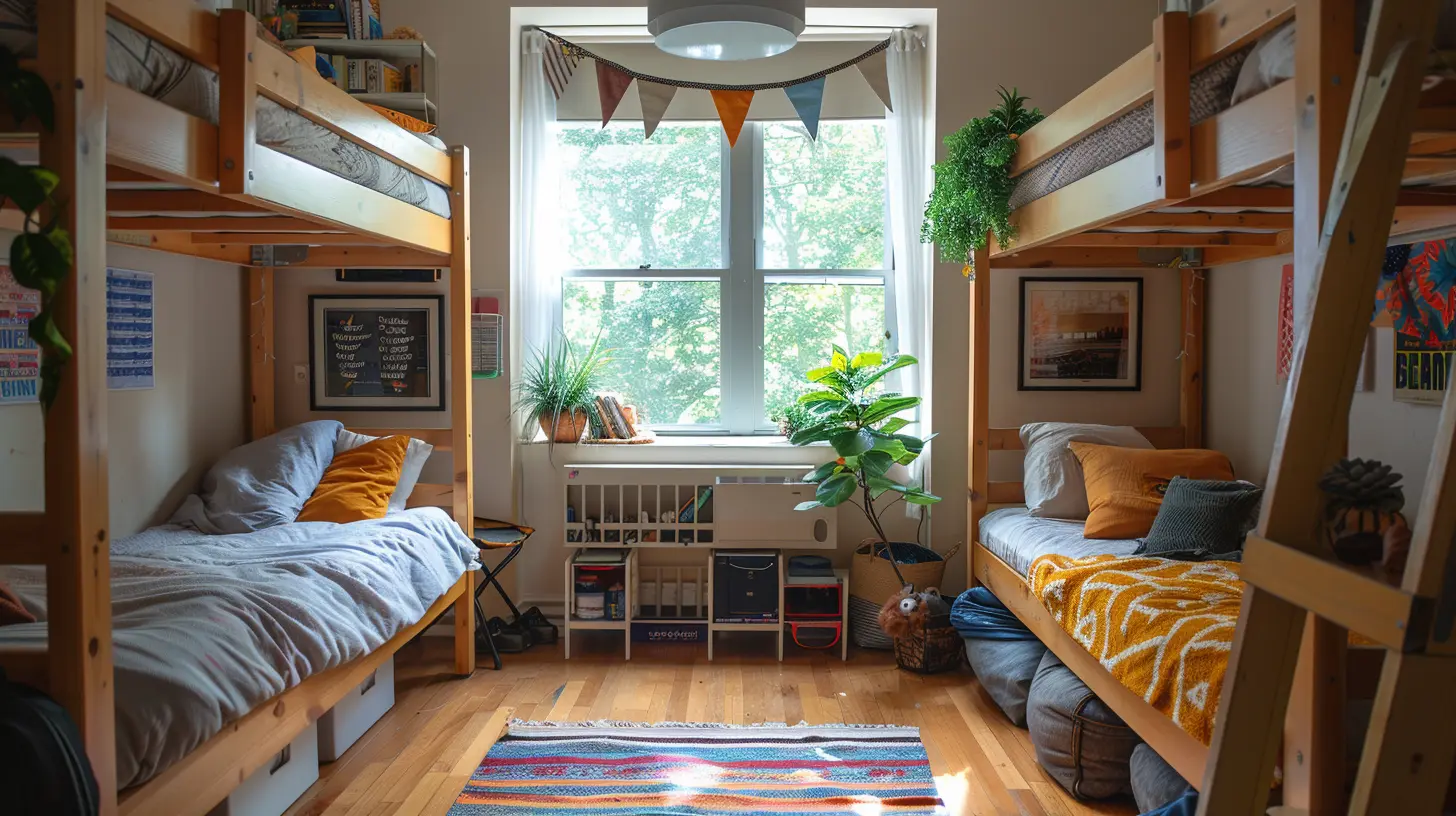
4. Handle Conflict Like an Adult
No matter how great your roommate is, disagreements will happen. The key is to handle them maturely.Pick Your Battles
Not every minor annoyance needs to be a full-blown discussion. If your roommate occasionally forgets to take out the trash, let it slide. Save the serious conversations for bigger issues.Use ‘I’ Statements
Instead of saying, “You never respect my space,” try, “I feel uncomfortable when my things are moved without asking.” This approach makes conversations less confrontational and more productive.Consider a Mediator
If things really aren’t working out, involve an RA (Resident Assistant) or another neutral party. Sometimes, having a third person in the conversation helps mediate the situation.5. Respect Sleep and Study Schedules
University life is a mix of socializing and studying, but balancing the two is key when living with others.Keep Noise to a Minimum at Night
If your roommate has an 8 AM class, blasting music at midnight isn’t exactly considerate. Be mindful of their schedule and adjust your habits accordingly.Use Common Areas Wisely
Got an important Zoom meeting or need to pull an all-nighter? If your roommate is sleeping, consider using the library or a study lounge instead of keeping the lights on in your shared space.6. Share Responsibilities Fairly
Living together means sharing the workload. No one wants to feel like they’re doing all the housework.Create a Chore Chart
A simple cleaning schedule can prevent arguments. Rotate tasks like taking out the trash, sweeping, and cleaning shared spaces. When things are spelled out, there’s no excuse for someone not pulling their weight.Take Turns Buying Household Items
Toilet paper, dish soap, and paper towels don’t magically appear. Make sure you and your roommate are both contributing to household essentials.7. Be Considerate with Personal Habits
Some personal habits can make or break a roommate relationship.Address Hygiene Concerns
No one wants to live with someone who leaves dirty laundry all over the floor or skips showers for days. Simple acts of cleanliness go a long way in maintaining a positive living environment.Pay Attention to Smells
Cooking up a storm? Burning incense? Make sure strong smells don’t overwhelm the space. Proper ventilation (or a simple courtesy check) keeps things fresh.8. Privacy Matters
Even in a shared space, personal privacy should be respected.Knock Before Entering
Even if your roommate is cool with an open-door policy, knocking before walking in is a basic sign of respect.Avoid Snooping
Checking their phone, reading their journal, or rummaging through their drawers is a huge breach of trust. Just don’t do it.9. Set Up a Roommate Agreement
Sometimes, the best way to keep things running smoothly is to put it all in writing.What to Include
A simple roommate agreement can outline:- Quiet hours
- Cleaning responsibilities
- Guest policies
- Personal space boundaries
Writing things down ensures everyone is on the same page and helps avoid misunderstandings later.
10. Know When It’s Time to Move On
Not every roommate match is meant to last. If you've tried everything and things just aren’t working out, it might be time to look for a new living arrangement.Signs It’s Not Working
- Constant arguments with no resolution- Major lifestyle differences that disrupt daily life
- A lack of respect for personal space or belongings
If your living situation is causing more stress than it’s worth, consider your options—switching roommates or looking for alternative housing might be the best move.
Final Thoughts
Living with a roommate isn’t always easy, but with the right approach, it can be a positive and even enjoyable experience. Respect, communication, and consideration are the golden rules of good roommate etiquette. Keep these in mind, and you’ll set yourself up for a stress-free, harmonious living situation.After all, your roommate isn’t just someone who shares your space—they could end up becoming a lifelong friend.
all images in this post were generated using AI tools
Category:
Student HousingAuthor:

Camila King
Discussion
rate this article
2 comments
Wynter Murphy
Roommate etiquette? More like survival guide! Remember, sharing a fridge doesn't mean sharing your snacks. Set boundaries, keep it clean, and for goodness' sake, no late-night karaoke unless you want your charm to fade fast!
December 8, 2025 at 12:34 PM
Camila King
Great points! Setting boundaries and maintaining cleanliness are key to a harmonious living environment. And yes, late-night karaoke should be reserved for solo performances!
Whitney Morales
Clear communication and mutual respect are key to a harmonious living situation with roommates.
December 5, 2025 at 11:46 AM
Camila King
Absolutely! Clear communication and mutual respect lay the foundation for a positive roommate experience.